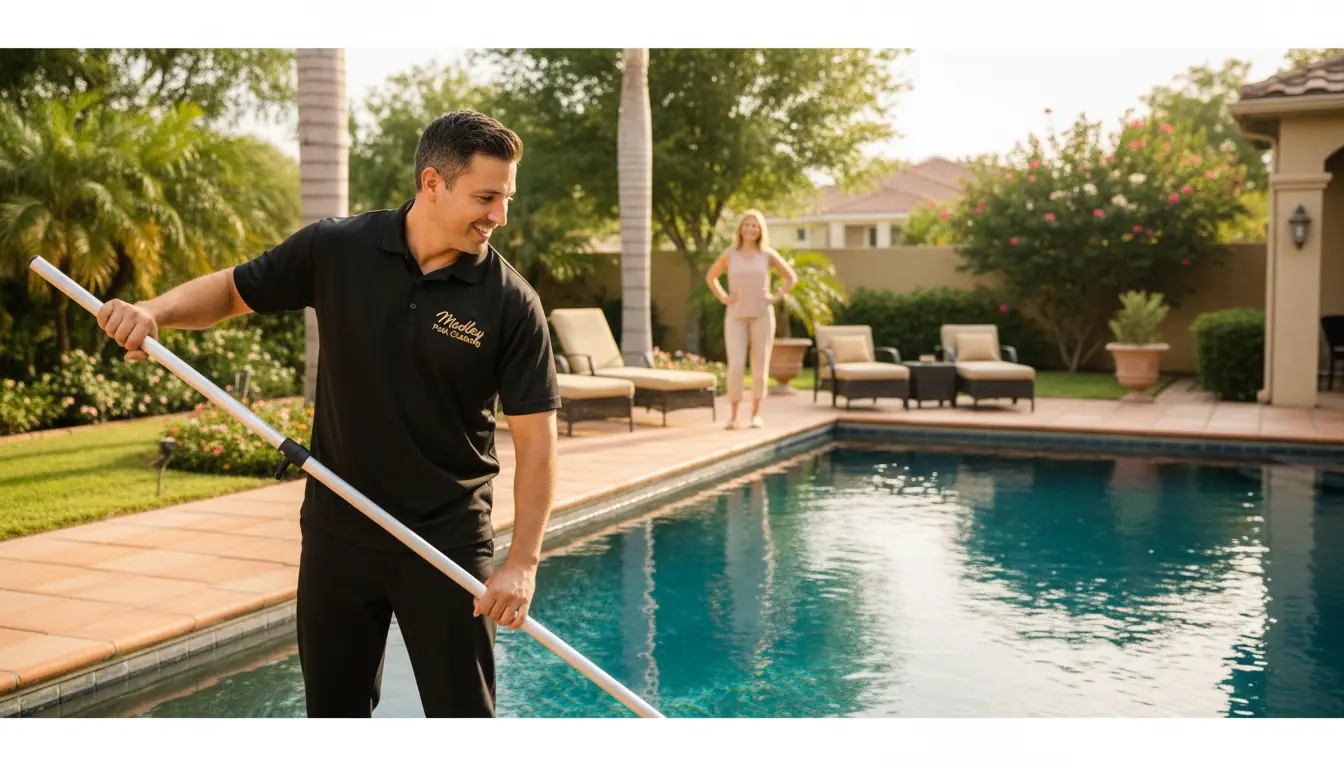
The term ‘pool water smell’ refers to the unpleasant odor that can emanate from a swimming pool, even after it has been cleaned. This smell is often mistaken for a sign of poor pool maintenance, but it can actually be caused by a variety of factors, including the presence of certain chemicals, the growth of algae or bacteria, and the buildup of debris and contaminants in the pool water. In Medley, Florida, where the warm and sunny climate can contribute to the growth of algae and the degradation of pool surfaces, it is especially important to understand the causes of pool water smell and to take steps to prevent it.
One of the main reasons why pool water can smell bad, even after cleaning, is the presence of volatile organic compounds (VOCs) in the water. These compounds can come from a variety of sources, including the pool’s cleaning products, the surrounding environment, and the pool’s own infrastructure. For example, if the pool’s filter is not functioning properly, it can allow VOCs to build up in the water, leading to an unpleasant smell. Similarly, if the pool’s surfaces are not properly cleaned and maintained, they can harbor algae and bacteria that produce VOCs and contribute to the smell.
In Medley, the intense Florida sun and high UV indices can also contribute to the degradation of pool surfaces and the growth of algae, which can further exacerbate the problem of pool water smell. To prevent this, it is essential to maintain a regular cleaning and maintenance schedule, which includes tasks such as skimming the pool’s surface, vacuuming the pool floor, and backwashing the filter. Additionally, the use of eco-friendly pool cleaning secrets, such as those outlined in the article Eco Friendly Pool Cleaning Secrets For Medley Families, can help to reduce the amount of harsh chemicals used in the pool and minimize the risk of VOCs and other pollutants.
Professional Pool Cleaning Workflow
A professional pool cleaning workflow typically involves a series of steps, including water chemistry testing, debris skimming, wall brushing, vacuuming, filter backwashing and cleaning, and chemical dosing. The first step in this process is to test the pool water’s chemistry, which involves measuring the levels of various parameters such as pH, alkalinity, and chlorine. This information is used to determine the best course of action for balancing the pool’s water chemistry and ensuring that it is safe and healthy for swimmers.
Once the water chemistry has been tested and balanced, the next step is to skim the pool’s surface and remove any debris or contaminants that may be present. This is typically done using a skimmer net or a leaf rake, and it helps to prevent the buildup of debris and contaminants in the pool water. After skimming, the pool’s walls and floor are brushed to remove any dirt or algae that may be present, and the pool is then vacuumed to remove any remaining debris or contaminants.
The final step in the professional pool cleaning workflow is to backwash and clean the filter, and to dose the pool with any necessary chemicals. This may include adding chlorine or other sanitizers to the pool water, as well as adjusting the pH and alkalinity levels as needed. By following this workflow and using the right tools and techniques, it is possible to keep a pool clean and well-maintained, even in a challenging environment like Medley, Florida.
Data Comparison
When it comes to pool maintenance, there are several options available, including professional pool cleaning and DIY chemical balancing. The following table compares two of these options:
| Feature/Metric | Professional Pool Maintenance | DIY Chemical Balancing |
|---|---|---|
| Chemical Accuracy | Highly accurate, with precise control over chemical levels | Less accurate, with a higher risk of over- or under-dosing |
| Time Investment | Minimal, as the work is done by a professional | Significant, as the homeowner must spend time testing and balancing the pool water |
| Long-term Plaster Health | Optimal, as the professional will take steps to prevent plaster damage | Potential for damage, as the homeowner may not be aware of the necessary steps to take |
Source: PHTA Reference Guide
Expert Insights
One advanced professional tip for maintaining a healthy and clean pool is to maintain the ideal Langelier Saturation Index (LSI) for the pool water. The LSI is a measure of the water’s tendency to precipitate or dissolve calcium carbonate, and it is an important factor in determining the water’s overall health and stability. By maintaining an ideal LSI, it is possible to prevent problems such as plaster damage and staining, and to keep the pool water clean and clear.
Another common mistake that homeowners make when it comes to pool maintenance is ignoring phosphate levels in the pool water. Phosphates are a type of nutrient that can contribute to the growth of algae and other aquatic plants, and they can also interfere with the pool’s sanitation system. By testing for and controlling phosphate levels, it is possible to prevent problems such as algae blooms and cloudy water, and to keep the pool clean and healthy.
Pricing
The cost of professional pool cleaning and maintenance can vary depending on a number of factors, including the size and type of pool, the frequency of service, and the level of care required. Some common pricing structures for professional pool cleaning include:
- Weekly or monthly maintenance rates, which can range from $50 to $200 per visit
- Chemical-only service, which can range from $20 to $50 per visit
- Fixed rates for specific interventions, such as green-to-clean services, which can range from $100 to $500 or more
In addition to these costs, there may be other factors that influence the overall price of professional pool cleaning and maintenance, such as the cost of equipment and supplies, the cost of labor, and the cost of any necessary repairs or upgrades.
Safety and Standards
When it comes to pool safety and standards, there are several important considerations to keep in mind. One of the most important is the use of EPA-registered pool chemicals, which are designed to be safe and effective for use in swimming pools. Additionally, it is essential to follow all safety protocols and guidelines when handling and applying these chemicals, in order to prevent accidents and injuries.
Another important consideration is the certification and training of the pool technician or service provider. In Medley, Florida, it is recommended to look for technicians who are certified by the Pool & Hot Tub Alliance (PHTA) or the National Swimming Pool Foundation (NSPF), and who have experience working with pools in the local area. By choosing a qualified and experienced technician, it is possible to ensure that the pool is properly maintained and safe for use.
FAQ
What is the best way to clean a pool in Medley, Florida?
The best way to clean a pool in Medley, Florida is to hire a professional pool cleaning service, such as Medley Pool Cleaning. These services have the expertise and equipment necessary to properly clean and maintain a pool, and they can help to prevent problems such as algae blooms and cloudy water.
How often should I clean my pool in Medley, Florida?
The frequency of pool cleaning in Medley, Florida will depend on a number of factors, including the size and type of pool, the amount of use it receives, and the local climate and environmental conditions. As a general rule, it is recommended to clean the pool at least once a week, and to perform more frequent cleanings during periods of heavy use or extreme weather.
What are the benefits of using a professional pool cleaning service in Medley, Florida?
There are several benefits to using a professional pool cleaning service in Medley, Florida, including the ability to ensure that the pool is properly cleaned and maintained, the prevention of problems such as algae blooms and cloudy water, and the extension of the life of the pool and its equipment. Additionally, professional pool cleaning services can help to improve the safety and health of the pool, and to reduce the risk of accidents and injuries.
How can I prevent pool water smell in Medley, Florida?
There are several ways to prevent pool water smell in Medley, Florida, including the use of eco-friendly pool cleaning secrets, the maintenance of proper water chemistry, and the regular cleaning and maintenance of the pool and its equipment. Additionally, it is recommended to test the pool water regularly for parameters such as pH, alkalinity, and chlorine, and to make adjustments as necessary to ensure that the water is safe and healthy for swimmers.
Conclusion
In conclusion, the prevention of pool water smell in Medley, Florida requires a combination of proper pool maintenance, regular cleaning and testing, and the use of eco-friendly pool cleaning secrets. By following these tips and hiring a professional pool cleaning service, such as Medley Pool Cleaning, it is possible to keep a pool clean and well-maintained, and to prevent problems such as algae blooms and cloudy water. For more information on pool cleaning and maintenance, visit our website at Venelaspool.Com, or contact us at Contact Us to schedule a service appointment.
Remember, a clean and well-maintained pool is not only a pleasure to swim in, but it is also a safe and healthy environment for you and your family. By taking the necessary steps to prevent pool water smell and to maintain your pool, you can enjoy a fun and relaxing swimming experience all season long. For professional pool cleaning services in Medley, Florida, and surrounding areas, including Sweetwater, Bunche Park, Gladeview, and Norland, contact Medley Pool Cleaning today.